
When the cash is received, a liability account is created with corresponding equal entry in cash received. If you have noticed, what we are actually doing here is making sure that the earned part is included in income and the unearned part into liability. The adjusting entry will always depend upon the method used when the initial entry was made. Whether you have earned revenue but not received the cash or have cash coming in that you have not yet earned, use Baremetrics to virtual accountant monitor your sales data.
- Unearned revenue plays a crucial role in accrual accounting, as it represents cash received from customers for services or products that have not yet been delivered.
- Unearned revenue can provide clues into future revenue, although investors should note the balance change could be due to a change in the business.
- For example, Western Plowing might have instead elected to recognize the unearned revenue based on the assumption that it will plow for ABC 20 times over the course of the winter.
- Morningstar increased quarterly and monthly invoices but is less reliant on upfront payments from annual invoices, meaning the balance has been growing more slowly than in the past.
- As the liability is expected to be settled in the near future, it has to be entered under current liabilities.
Unearned Revenue on a Balance Sheet: Current vs. Long-Term Liabilities
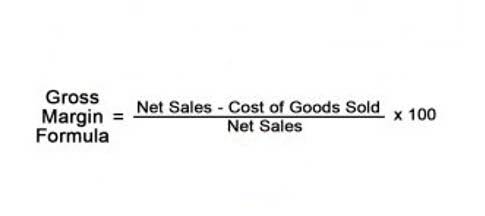
- Understand the importance of sales revenue and how to calculate it.
- These fees often arise in prepaid service industries, such as subscription-based businesses, insurance, and service contracts.
- However, in each accounting period, you will transfer part of the unearned revenue account into the revenue account as you fulfill that part of the contract.
- For example, unearned revenues may include rents received by a company or business for future periods or customer advances to book future sales.
- In conclusion, the proper accounting treatment of unearned revenue is necessary for accurate representation of a company’s financial health.
While the company got cash upfront for a job not yet done when considering deferred revenue, the company is still waiting for cash for a job it has done. For example, a contractor might use either the percentage-of-completion method or the completed contract method to recognize revenue. Under the percentage-of-completion method, the company would recognize revenue as certain milestones are met. Under the completed-contract method, the company would not recognize any profit until the entire contract, and its terms were fulfilled.
Accounting for Unearned Revenue
By employing effective cash management strategies and robust risk assessment techniques, companies can navigate the intricacies of unearned revenue management. Adopting these practices will promote financial stability and growth while maintaining customer satisfaction and trust. In this is unearned revenue a current liability section, we’ll take a deeper look at how unearned income is recorded under the accrual accounting principle. A company isn’t allowed to recognize income in its accounting until the provision of a product or a service. That’s a guiding accounting principle known as the revenue recognition principle. Depending on the arrangements between the company and the client, the product or service will have to be delivered later on.

Journal entries related to unearned revenue

Unearned income is reported on a balance sheet as a debit to the cash account and a credit to the unearned revenue account. Unearned revenue arises when customers prepay for products or services before the company has fulfilled its obligations. Common examples include subscription-based services, prepaid insurance policies, and advance ticket sales. As the company delivers the goods or services over time, it gradually recognizes the unearned revenue as earned revenue on the income statement.

What is sales revenue? How to calculate it with formula
- The amount can be reasonably estimated or there should be a probability of collection.
- The adjusting entry for unearned revenue will depend upon the original journal entry, whether it was recorded using the liability method or income method.
- Understanding unearned fees ensures revenue recognition aligns with service delivery, maintaining compliance with accounting standards.
- When dealing with unearned revenue, there can be instances of overstated or understated amounts.
To do this, the company debits the cash account and credits the unearned revenue account. This action increases the cash account and creates a liability in the unearned revenue account. As the product or service is fulfilled, the unearned revenue account is decreased, and the revenue accounting account is increased. Unearned revenue is recorded on a company’s balance sheet as a liability.
What is financial reporting and how to simplify it?
This transparency supports long-term relationships with investors and other financial partners. For many businesses that rely on consistent cash flow to run their day-to-day operations, unearned revenue acts as a financial buffer. Technology provides the scalability and accuracy needed to uphold transparent financial records for companies managing large volumes of deferred revenue. Software solutions also support compliance with accounting standards like GAAP and IFRS. Operating liabilities are amounts owed resulting from a company’s normal operations, whereas non-operating liabilities are amounts owed for things not related to a company’s operations.
This usually happens for service companies that wait to perform the job until at least a portion of the job is paid for. A company incurs deferred revenue by following through on its end of the contract after payment has been made. A country club collects annual dues from its customers totaling $240, which is charged immediately when a member signs up to join the club. Upon receipt of the payment, the services have yet to be provided. Unearned revenue can provide clues into future revenue, although investors should note the balance change could be due to a change in the business.